Table of Contents
- Understanding How Korean Skincare Brands Are Positioned
- Matching K-Beauty Brands to Your Skin Type
- Oily and Acne-Prone Skin
- Dry and Dehydrated Skin
- Sensitive and Reactive Skin
- How to Evaluate a K-Beauty Brand Before You Buy
- Budget Tiers and What to Expect at Each Level
- Conclusion: Building Your K-Beauty Brand Shortlist
How to choose the right K-beauty brand
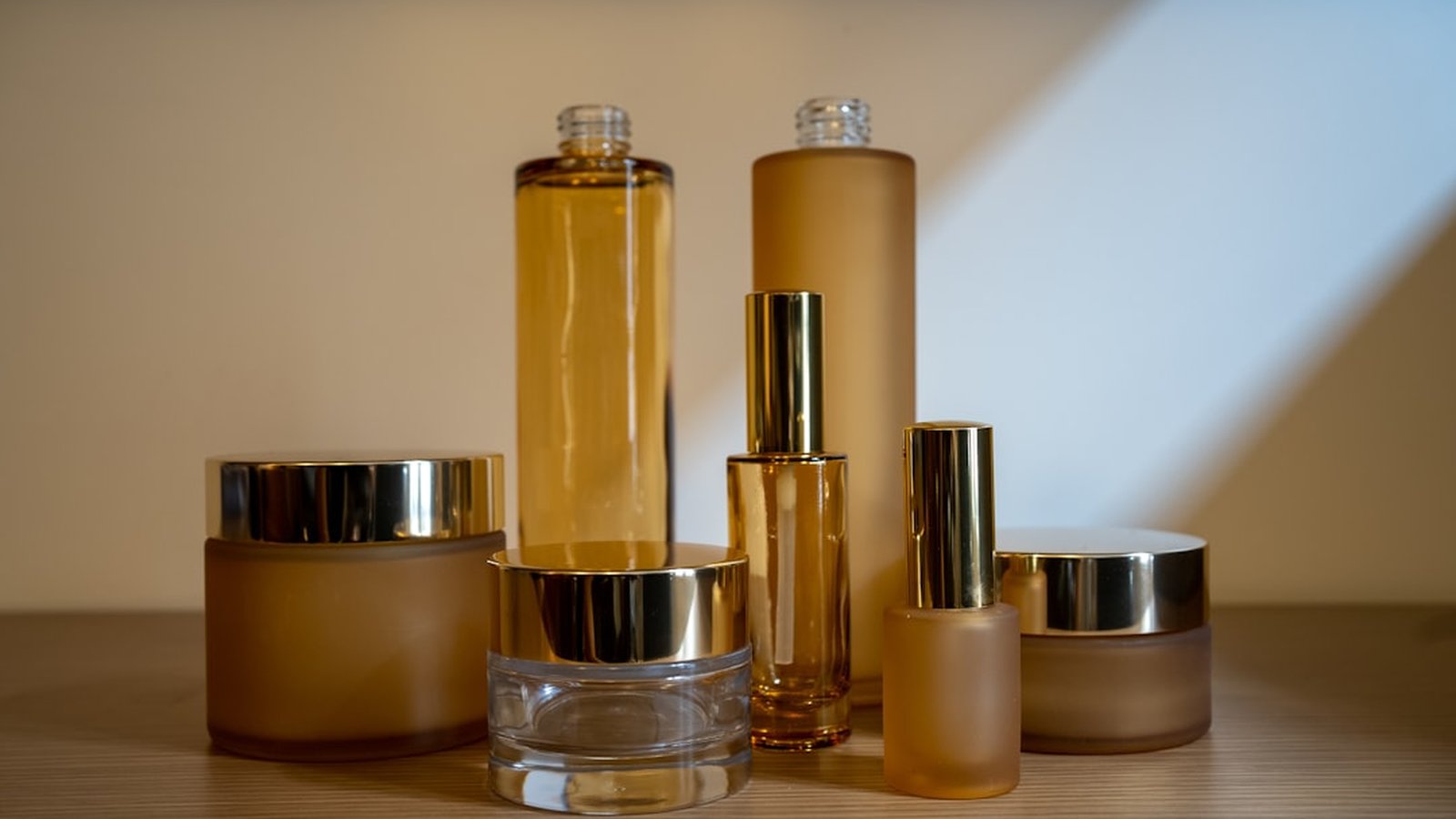
K-Beauty Brand Spotlight: How to Choose the Right Korean Skincare Brand for Your Skin Type and Concerns
Walking into the world of Korean skincare for the first time can feel like stepping into a library where every book is written in a language you haven’t learned yet. Hundreds of brands, thousands of products, and no obvious map to guide you. This k-beauty brand spotlight guide exists to change that.
Korean skincare has earned its global reputation not through marketing alone, but through a culture that treats skin health as a long-term investment. The multi-step routine philosophy, the emphasis on hydration over heavy coverage, and the use of innovative ingredients — snail mucin, centella asiatica, fermented extracts — are all hallmarks of an industry that prioritizes results. But not every brand is built for every skin type, and choosing the wrong one can mean wasted money and a frustrated complexion.
In this guide, you’ll learn how to identify which K-beauty brands align with your specific skin type and concerns, what to look for on ingredient labels, and how to narrow down a crowded market into a shortlist that actually makes sense for your skin.
beginner-guide-to-korean-skincare-routines
Understanding How Korean Skincare Brands Are Positioned
Before you can choose the right brand, it helps to understand that Korean skincare brands are not interchangeable. Each brand tends to carve out a clear identity — whether that’s dermatologist-backed formulas, ingredient-focused minimalism, or traditional Korean herbal medicine (known as hanbang). Recognizing these identities saves you from buying products that are well-made but simply not designed with your skin’s needs in mind.
Dermatologist-developed brands like Dr. Jart+ build their product lines around clinical skin concerns. Dr. Jart+ is a Seoul-founded brand known for its Cicapair line, which centers on centella asiatica for redness-prone and sensitive skin. Their positioning is closer to cosmeceutical than cosmetic, meaning formulas are tested with measurable skin outcomes in mind.
Ingredient-first brands like COSRX have built their reputation on keeping formulations simple, effective, and accessible. COSRX products are widely recognized for their short ingredient lists and high active concentrations — their Advanced Snail 96 Mucin Power Essence, for example, contains 96% snail secretion filtrate, a concentration you can verify on the label.
Heritage/luxury brands like Sulwhasoo operate in an entirely different tier. Sulwhasoo is rooted in hanbang — traditional Korean medicine — and incorporates ingredients such as ginseng, lotus, and peony root. Their First Care Activating Serum has been a flagship product for decades, and the brand positions itself around long-term skin transformation rather than quick-fix solutions.
Understanding where a brand sits on this spectrum tells you a great deal about what results to expect and at what price point.
Matching K-Beauty Brands to Your Skin Type
Oily and Acne-Prone Skin
If your skin tends toward excess sebum or breakouts, look for brands that emphasize low-pH cleansers, BHA exfoliants, and non-comedogenic formulas.
COSRX is one of the most recommended starting points for oily and acne-prone skin. Their BHA Blackhead Power Liquid uses 4% betaine salicylate — a gentler form of BHA — and their Acne Pimple Master Patches are a widely used spot treatment with a strong track record among acne-prone users.
Some By Mi is another brand worth examining. Their AHA BHA PHA 30 Days Miracle line targets acne concerns with a combination of three exfoliating acid types. The brand recommends a 30-day trial period, and the formulas are designed to reduce the appearance of blemishes through consistent chemical exfoliation. Some By Mi is a South Korean brand with significant retail presence in Sephora and Ulta, making its products easy to source and verify.
IUNIK also caters well to acne-prone skin with its emphasis on natural, functional ingredients like propolis and tea tree oil, kept in high concentrations with minimal filler.
Key ingredient flags to look for: salicylic acid, betaine salicylate, niacinamide, centella asiatica, tea tree oil, and propolis extract.
Dry and Dehydrated Skin
For skin that lacks moisture or feels tight after cleansing, hydration-first brands are your strongest allies.
Laneige is a flagship hydration brand under the Amorepacific group, one of South Korea’s largest cosmetics conglomerates. Their Water Bank and Cream Skin lines are built around the concept of delivering water-based hydration in layered formats. The Laneige Lip Sleeping Mask has become a globally recognized product, and their broader line is consistently tested for moisture retention.
Klairs (officially Wonjin Beauty) positions itself around sensitive and dry skin, using fragrance-free, minimal formulas. Their Supple Preparation Unscented Toner and Freshly Juiced Vitamin Drop serum are popular for their skin-barrier-supporting approach.
Torriden is a newer brand gaining traction for its DIVE-IN Low Molecular Hyaluronic Acid Serum, which uses five different molecular weights of hyaluronic acid to deliver hydration at multiple skin layers.
Key ingredient flags: hyaluronic acid (various molecular weights), beta-glucan, ceramides, glycerin, and squalane.
Sensitive and Reactive Skin
Sensitive skin types need brands that prioritize what they leave out of their formulas as much as what they put in.
Klairs, mentioned above, is consistently recommended for reactive skin due to its fragrance-free positioning and minimal active concentrations.
Round Lab centers its product line around Dokdo deep-sea water and minimal formulation philosophy. Their Birch Juice Moisturizing line is popular among users with redness and reactivity.
Pyunkang Yul was founded based on a Korean dermatology clinic’s philosophy and is known for extremely short ingredient lists. Their Essence Toner contains only 12 ingredients, making it one of the most pared-down toners in the K-beauty market — a significant advantage if you’re trying to identify what your skin reacts to.
How to Evaluate a K-Beauty Brand Before You Buy
Beyond skin type matching, there are practical steps you can take to evaluate a brand’s credibility before committing.
Check ingredient transparency. Reputable K-beauty brands list ingredients in INCI (International Nomenclature of Cosmetic Ingredients) format, ordered by concentration from highest to lowest. Brands that bury key actives at the bottom of a long list are often over-promising on marketing language.
Look for verifiable certifications. Several K-beauty brands carry certifications from recognized bodies: ECOCERT for organic ingredients, RSPO certification for sustainably sourced palm oil derivatives, or cruelty-free status verified by organizations like Leaping Bunny. These can be confirmed on brand websites or certification body databases.
Research the parent company. Major Korean beauty conglomerates include Amorepacific (which owns Laneige, Sulwhasoo, Innisfree, Etude, and others) and LG H&H (which owns The History of Whoo, su:m37°, and Belif, among others). Knowing the parent company can give you insight into quality control standards and research investment behind the brand.
Read ingredient lists for known irritants. Fragrance (listed as “parfum” or “fragrance”), alcohol denat., and essential oils can be irritating for sensitive skin regardless of how a product is marketed.
how-to-read-korean-skincare-ingredient-labels
Budget Tiers and What to Expect at Each Level
K-beauty spans a wide price range, and understanding what budget tier delivers what type of formulation sets realistic expectations.
Drugstore/accessible tier (under $20): Brands like Etude, Holika Holika, and The Face Shop offer entry-level formulas that are generally well-tolerated and great for experimenting with new textures or steps in your routine. Ingredient concentrations at this tier tend to be lower, and formulas may include more filler ingredients.
Mid-range tier ($20–$60): This is where the majority of widely praised K-beauty products live. COSRX, Klairs, Some By Mi, IUNIK, Pyunkang Yul, and Laneige all operate primarily in this range. Formulations are more refined, actives appear at more meaningful concentrations, and brands at this tier tend to invest more in efficacy testing.
Prestige tier ($60+): Sulwhasoo, History of Whoo, Dr. Jart+ (for some lines), and su:m37° occupy the premium space. At this tier, you’re paying for proprietary ingredient complexes, extensive R&D, and — in the case of hanbang brands — rare botanical extracts that require significant sourcing investment. Results can be impressive, but the higher price tag doesn’t automatically mean the formula is right for your skin.
Which K-beauty brand is best for beginners?
Are Korean skincare brands cruelty-free?
How do I know if a Korean skincare brand is suitable for combination skin?
Conclusion: Building Your K-Beauty Brand Shortlist
Choosing the right Korean skincare brand isn’t about finding the one brand that does everything — it’s about matching specific brands to specific needs. A realistic approach looks like this:
- Identify your primary skin type (oily, dry, combination, sensitive) and your top one or two concerns (acne, dehydration, redness, uneven tone).
- Research brands that specialize in those concerns using the framework in this guide — ingredient-first brands for targeted actives, dermatologist-backed brands for clinical concerns, hydration specialists for moisture needs.
- Start with one brand and one new product at a time. Introducing multiple new products simultaneously makes it impossible to identify what’s working or what’s causing a reaction.
- Verify ingredient lists before purchasing. Cosdna.com and the International Nomenclature of Cosmetic Ingredients database are free tools that let you analyze any product’s ingredient list.
- Give products adequate time. Most skincare products, particularly those targeting pigmentation or barrier repair, require consistent use over four to six weeks before visible results emerge.
The K-beauty market rewards patience and research. Use this k-beauty brand spotlight as your starting framework, build your shortlist methodically, and let your skin’s actual response — not marketing language — guide your long-term routine.